 Body Awakening Journey

You feel it before you can name it: a tight chest before a hard conversation, a knot in your stomach when you are worried, shoulders that creep towards your ears under pressure. Emotions are not only thoughts. They are physical experiences, and when they aren’t fully felt and released, the body can hold on to them.
Quick answer
Emotions aren’t stored in one place, but they leave physical patterns throughout the body. People most often feel them in the chest and throat (grief and sadness), the stomach (anxiety and fear), the shoulders and neck (stress and responsibility), the jaw (anger and holding back) and the hips and lower back (long-held tension). These patterns live in muscle tension, breathing and the nervous system, which is why body-based practices such as breathwork, movement and touch help release them.
How emotions become physical
Every emotion comes with a physical response. Fear quickens your heart and tightens your muscles so you are ready to move. Sadness slows you down and draws the chest inward. Anger sets the jaw and lifts the shoulders. These responses are driven by the nervous system and happen automatically.
Normally the response rises, peaks and passes. But when an emotion can’t be expressed or completed, because it isn’t safe, isn’t convenient or is simply too much, the body may keep part of the response running. Over time the tension, the shallow breathing or the guarded posture becomes a habit. The emotion is no longer felt as an emotion, just as stiffness, pain or fatigue.
This is what people usually mean by “trapped emotions”. It isn’t a mystery. It is the body holding a protective pattern that hasn’t yet been given the chance to let go.
What research shows about where we feel emotions
A widely cited 2014 study by researchers in Finland, published in the journal PNAS, asked hundreds of participants to colour in a body outline to show where they felt different emotions. The results were strikingly consistent across people from different cultures. Anger and fear were felt strongly in the chest and upper body. Happiness lit up almost the whole body. Sadness and depression showed reduced sensation in the arms and legs.
Findings like these support what many people already sense: emotions are experienced through the body, in broadly shared patterns. The exact sensations still vary from person to person, so treat any “map” as a guide rather than a rule.
Where emotions are commonly felt in the body
Chest and heart
Grief, sadness, heartbreak and anxiety are often felt as heaviness, tightness or an ache in the chest. Breathing tends to become shallow, and the shoulders round forward as if to protect the heart.
Throat
The familiar “lump in the throat” often comes with sadness or with words that haven’t been said. Many people notice tightness here when they hold back from speaking up.
Stomach and gut
Anxiety, fear and nervousness are commonly felt as butterflies, a knotted or churning stomach, nausea or a loss of appetite. The gut is closely connected to the nervous system, which is why stress so often shows up in digestion.
Shoulders and neck
Stress, pressure and a sense of carrying too much responsibility often settle across the shoulders and up into the neck. It’s no accident that people talk about “carrying the weight of the world”.
Jaw
Anger, frustration and holding back can show up as a clenched jaw or grinding teeth, often at night without you realising.
Hips and lower back
Many people notice deep, long-held tension in the hips and lower back, areas that brace with fear and stress. It is common for emotion to surface during hip-opening stretches or bodywork in this area.
The emotional body at a glance
| Area | Emotions often felt here | What you might notice |
|---|---|---|
| Chest | Grief, sadness, anxiety | Heaviness, tightness, shallow breathing |
| Throat | Sadness, unspoken words | A lump in the throat, tight voice |
| Stomach | Anxiety, fear, nervousness | Butterflies, knots, nausea |
| Shoulders and neck | Stress, responsibility, pressure | Raised shoulders, stiff neck, headaches |
| Jaw | Anger, frustration, holding back | Clenching, grinding teeth |
| Hips and lower back | Fear, long-held stress | Deep tightness, restricted movement |
Signs you may be holding emotion in your body
- Tension or pain with no clear physical cause, especially in the chest, shoulders, jaw or stomach.
- Feeling numb or flat, or finding it hard to name what you feel.
- Strong reactions that seem bigger than the situation.
- Holding your breath or breathing mostly into your upper chest.
- Unexpected emotion during stretching, massage or yoga.
- Feeling tired all the time, as if you are carrying something heavy.
How to release emotions from the body: 6 gentle practices
The aim isn’t to force emotion out. It’s to help your body feel safe enough to let go of what it has been holding. Go slowly, and stop if anything feels like too much.
Notice where you feel it
Pause and scan your body. Simply noticing a sensation, without judging or fixing it, is often the first step towards it softening.
Breathe slowly and fully
Let your breath drop into your belly and lengthen the out-breath. Slower breathing tells the nervous system it is safe to release.
Move and shake
Gentle movement, stretching or shaking out your arms and legs helps the body complete stress responses that were left unfinished.
Use sound
Sighing, humming or toning on the out-breath can release tension in the chest, throat and jaw.
Receive safe, supportive touch
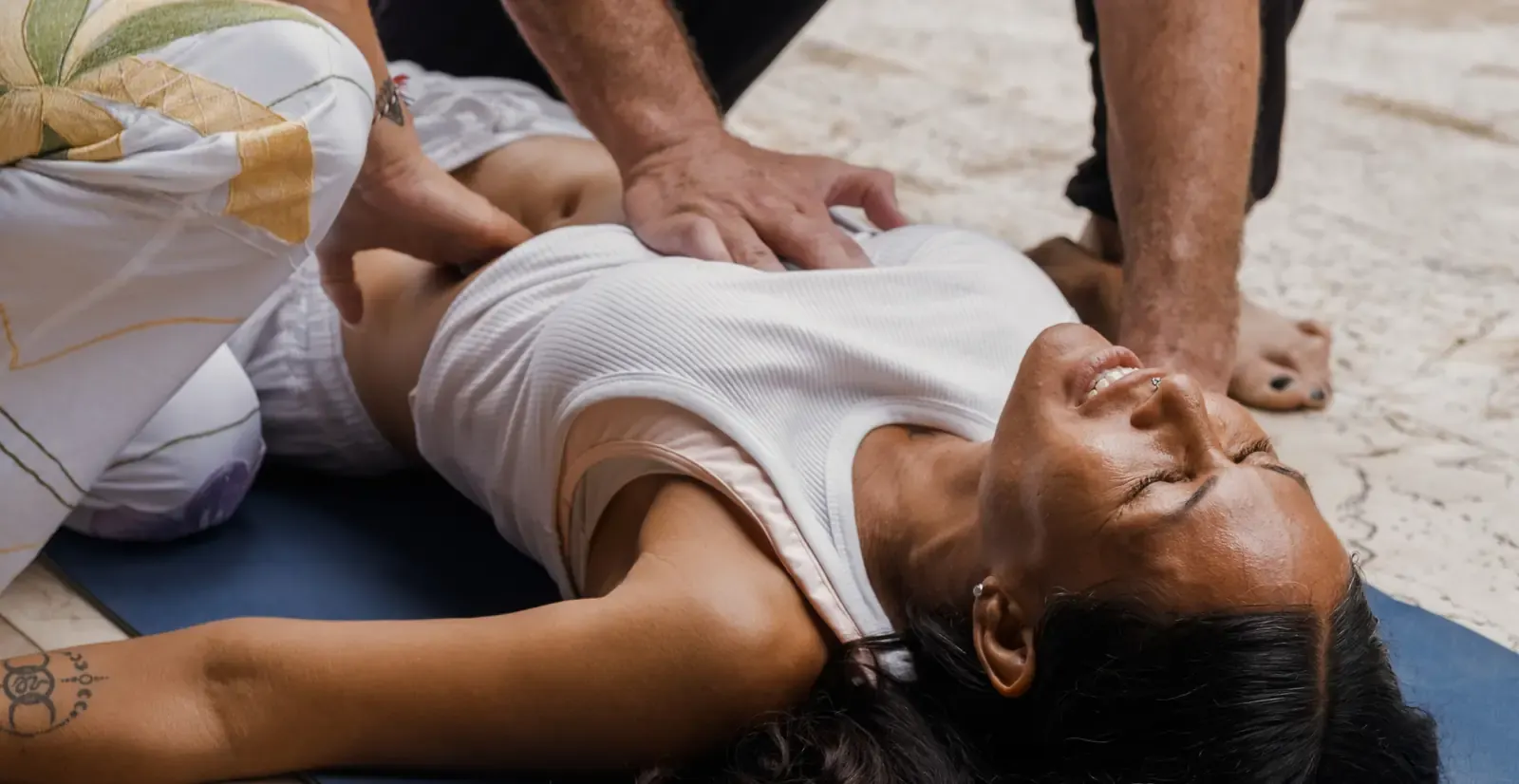
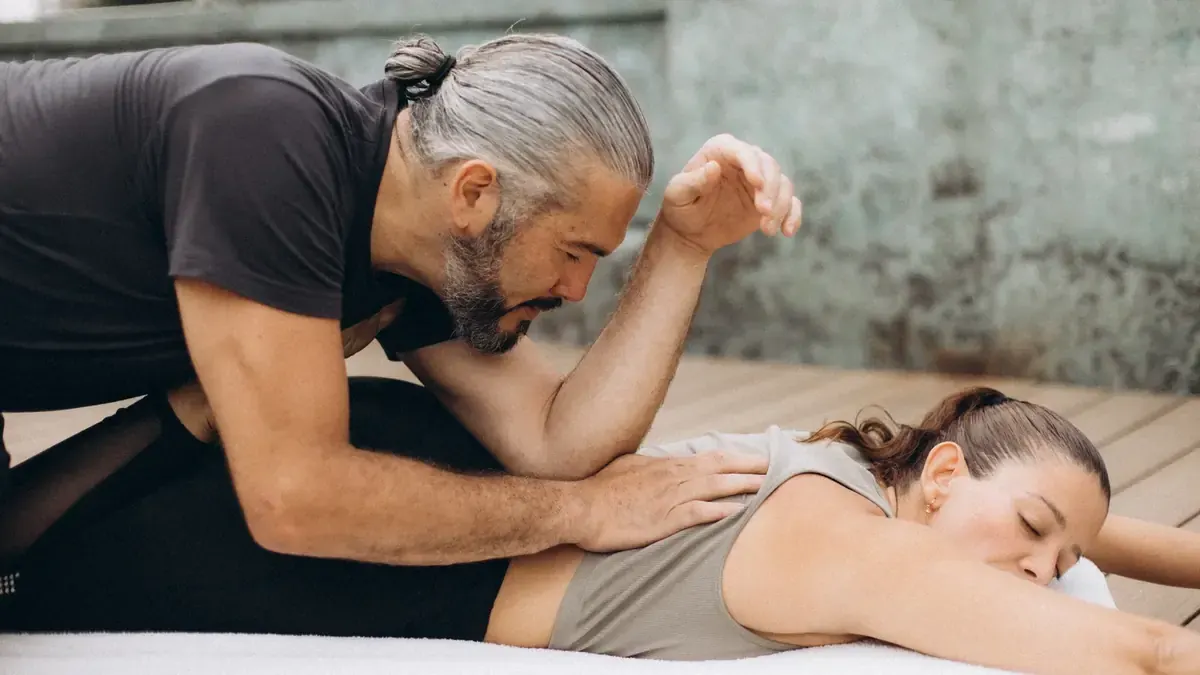
Calm, skilled touch helps tissue that has been guarding for a long time soften, and emotion often moves as it does.
Write it down
Expressive writing gives words to what the body has been carrying, and many people feel physically lighter afterwards.
Start in your body
Learn to release emotions through the body
Somatic Emotional Release with Mario Zinou explores where emotions show up in the body and gentle ways to let them go.
When to get professional support
Releasing emotion can be powerful, and sometimes it brings up more than you expect. If you have experienced trauma, or if strong emotions feel overwhelming, work with a trauma-informed therapist, doctor or somatic practitioner who can support you safely. Body-based practice works well alongside talking therapies and medical care.
Frequently asked questions about emotions in the body
Can emotions really be stored in the body?
Emotions aren’t stored like files in one spot. But emotional experiences change how the body holds itself: muscle tension, breathing, posture and nervous system responses. When those patterns become habits, the emotion can feel ‘held’ in the body long after the event has passed.
Where is anxiety stored in the body?
Many people feel anxiety in the chest and stomach, as a tight chest, racing heart, knotted or fluttering stomach and shallow breathing. Tension in the shoulders, neck and jaw is also common.
Where is grief held in the body?
Grief is often felt in the chest and throat, as heaviness, an ache around the heart or a lump in the throat, sometimes with a collapsed, rounded posture and low energy.
What does it feel like to release emotions from the body?
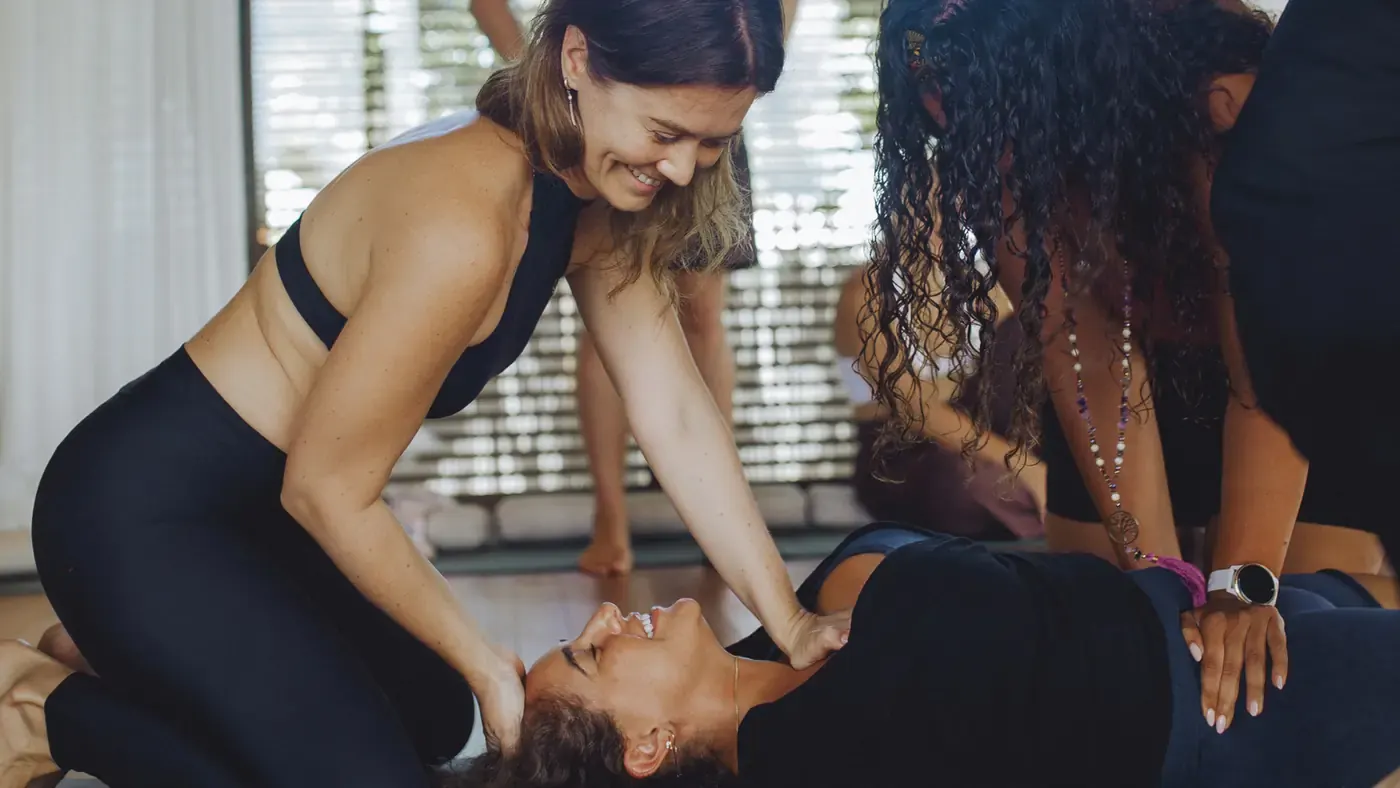
Release can feel like a deep breath that finally comes easily, a wave of warmth or lightness, trembling, yawning, tears or laughter. Many people simply feel calmer and more spacious afterwards.
Is it normal to cry during bodywork or stretching?
Yes. Touch, breath and movement can soften areas the body has been holding, and emotion sometimes rises as that tension lets go. It is a common, natural response.
How do you release trapped emotions?
Gentle body-based practices help: slow breathing, mindful movement, shaking, safe touch, sound and expressive writing. Working with a trauma-informed somatic practitioner supports deeper release safely.
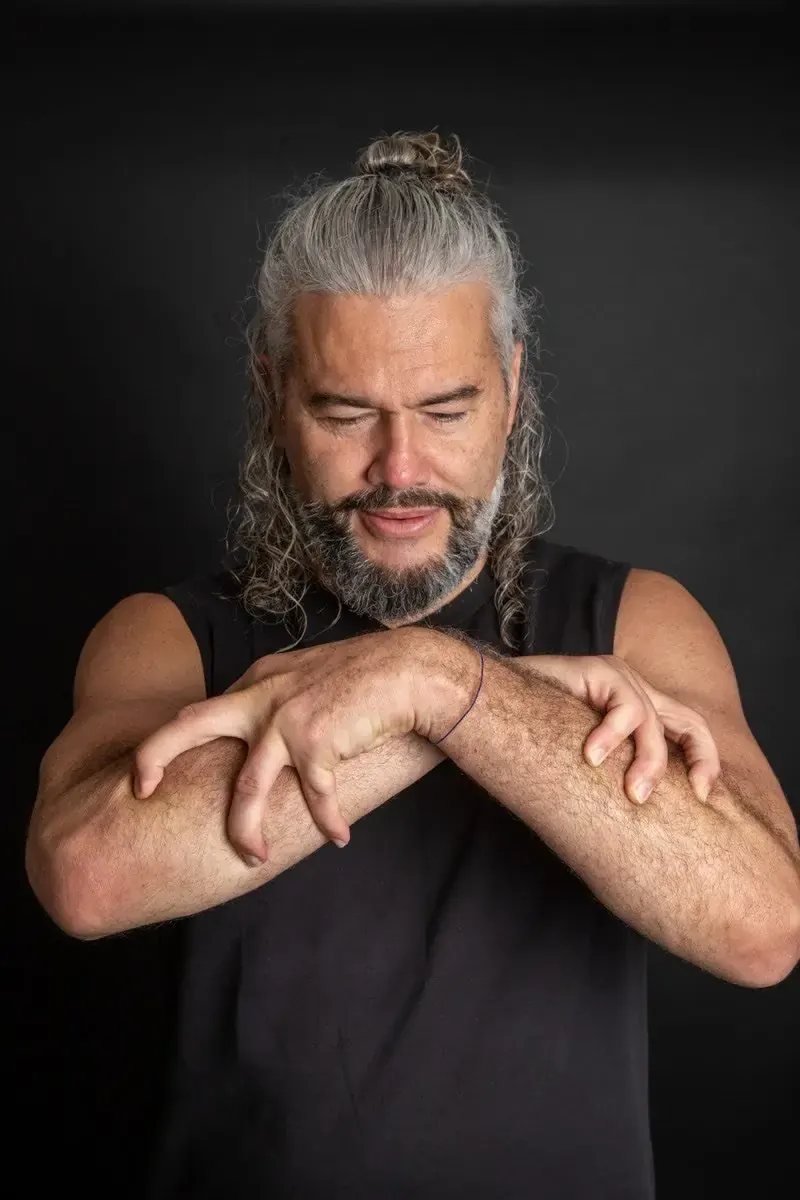
Written by the Body Awakening Journey team. The Body Awakening Method was developed by Mario Zinou over 20+ years of research and practice and more than 15,000 client sessions. This article is educational and isn’t medical advice.
 The complete e-book
Body Awakening
Essentials