 Body Awakening Journey
You sit up straight, pull your shoulders back and feel taller for a moment. Ten minutes later you catch yourself slumped over your phone again. If that sounds familiar, it isn’t a lack of discipline. Posture is run mostly by your body, not your willpower, and that is exactly why it keeps slipping.
Quick answer
Posture keeps slipping because it is an automatic pattern, not a conscious choice. It is shaped by fascia that has adapted to the positions you spend the most time in, muscle imbalance, breathing habits, body awareness and even stress. Forcing yourself upright fights against all of these. Lasting change comes from releasing the tension that holds the old shape, building awareness and support, and moving more often through the day.
Why does your posture keep slipping?
Your posture is your body’s default setting. It is the shape your nervous system, muscles and connective tissue have learned to hold with the least effort. When you consciously correct it, you override that default with muscle effort. As soon as your attention moves on, the effort stops and your body returns to what it knows.
This is why reminders, apps and posture braces rarely create lasting change on their own. They correct the symptom for a moment without changing the pattern underneath. To change your posture for good, you need to change the default.
What really shapes your posture
Fascia that has adapted to your habits
Fascia, the connective tissue that wraps every muscle, slowly remodels around the positions you hold most. Hours of sitting with your shoulders rounded shorten the tissue across your chest and lengthen and strain the tissue across your upper back. Eventually the rounded shape feels normal and upright feels like hard work.
Muscle balance
Some muscles become tight and overactive while others become weak and underused. When the deep support around your spine and pelvis is switched off, larger muscles take over the job of holding you up, and they tire quickly.
Breathing
Shallow breathing into the upper chest lifts the shoulders and tightens the neck. Breathing that reaches the diaphragm supports the spine from the inside and helps the whole torso stay open.
Body awareness
Many people genuinely can’t feel when they are slumping. If your body’s sense of where it is in space has dulled, you can’t correct what you can’t feel.
Stress and emotion
Posture also reflects how you feel. Under stress the body braces, the shoulders rise and the chest closes, a protective shape that can become a habit long after the stress has passed.
Common posture patterns and what drives them
| Pattern | What you might notice | What often drives it |
|---|---|---|
| Forward head | Neck strain, headaches, chin poking forward | Screens, phones and long hours of desk work |
| Rounded shoulders | Tight chest, aching upper back | Sitting, driving, a closed, protective chest |
| Slumped sitting | Low back ache, low energy | Soft chairs, tired deep core support |
| Arched lower back | Tight lower back, pelvis tipping forward | Tight hip flexors, long periods of sitting |
| Uneven standing | Weight on one leg, one shoulder higher | Habit, old injuries, carrying bags on one side |
Does bad posture cause pain?
Posture on its own is rarely the whole story. Plenty of people slouch without pain, and plenty of people with “perfect” posture still hurt. What matters more is staying in one position for too long. Holding any shape for hours loads the same tissues continuously, which can build stiffness, fatigue and discomfort.
That is why the best posture is often described as your next posture. A body that changes position easily, and can move freely between positions, is usually more comfortable than one held rigidly in an ideal shape.
How to reset your posture: 7 body-based steps
Instead of forcing yourself upright, these steps change the pattern underneath so a better posture starts to feel natural.
Release before you correct
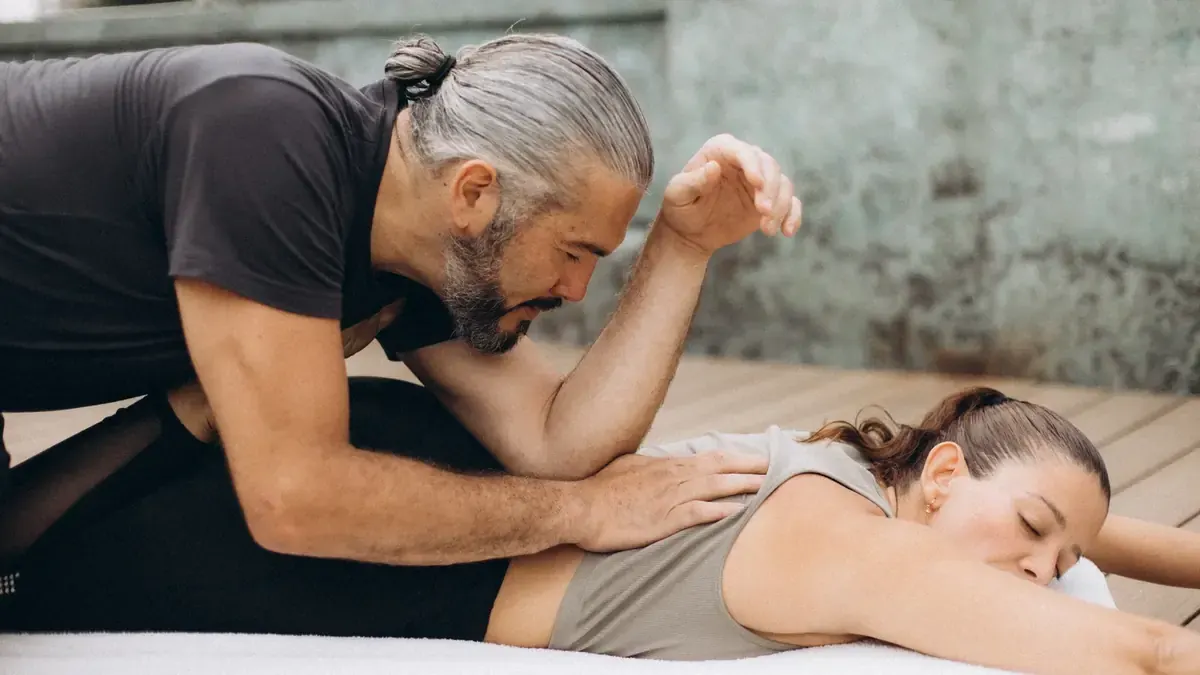
Soften the tissue holding the old shape first. Open the chest, release the front of the hips and ease the neck with slow stretches and gentle pressure.
Find your sit bones
Sit towards the front of your chair and rock gently until you feel the two bony points under your pelvis. Balancing on them lets your spine stack upright with less effort.
Breathe into your diaphragm
Let your breath widen your lower ribs and belly. Diaphragm breathing supports your spine from the inside and drops tension out of your shoulders.
Lengthen, don’t brace
Rather than pulling your shoulders back, imagine the crown of your head floating upwards. Length comes from ease; bracing just creates new tension.
Wake up deep support
Gentle work for the pelvic floor and deep core muscles helps them hold you upright so your neck and back don’t have to.
Build body awareness
Check in a few times a day and notice how you are sitting or standing, without judging it. Awareness is what eventually makes better posture automatic.
Move more often
Change position every 30 to 45 minutes. Stand, stretch, walk or simply shift your weight. Frequent movement does more than any single perfect posture.
Start in your body
Reset the way you sit and stand
Posture Correction: Sit and Stand Better gives you body-based techniques with Mario Zinou for your desk, your home and everyday life.
Posture through your day
- At your desk: screen at eye level, feet flat on the floor, weight on your sit bones, and a short movement break every half hour or so.
- On your phone: bring the phone up towards your eyes rather than dropping your head down to it.
- When standing: spread your weight evenly through both feet and soften your knees instead of locking them.
- While sleeping: use a pillow that keeps your neck in line with your spine, and try a pillow between your knees if you sleep on your side.
- Carrying bags: switch sides regularly, or use a backpack across both shoulders.
If you have persistent back or neck pain, numbness, tingling or pain after an injury, speak with your doctor or a physiotherapist as well. Posture work can sit alongside that care.
Frequently asked questions about posture
Why can’t I keep good posture?
Because posture is mostly automatic. Your body holds the shape it is used to, shaped by fascia, muscle balance, breathing and habit. Consciously sitting up uses effort, and as soon as your attention moves on, your body returns to its familiar pattern.
Can bad posture be corrected?
Yes, at any age. Posture changes when the body learns a new default: releasing the tissue that holds the old shape, strengthening the support underneath, improving body awareness and changing the positions you spend the most time in.
How long does it take to fix posture?
Many people feel a difference after a few sessions of release and awareness work. Lasting change usually takes weeks to months of regular practice, because fascia and habits adapt gradually.
Is there one correct posture?
No. The healthiest posture is one you can change easily. Bodies are built to move, so spending all day in any single position, even a ‘perfect’ one, creates strain. Variety matters more than holding one ideal shape.
Can posture cause back and neck pain?
Posture alone rarely causes pain, but staying in one position for long periods, especially with the head forward or the back rounded, can load tissues unevenly and contribute to stiffness and discomfort.
Do posture correctors work?
Braces can remind you to sit up, but they do the holding for you, so they don’t teach your body a new pattern. Releasing tension, building awareness and moving more tend to create change that lasts after the brace comes off.
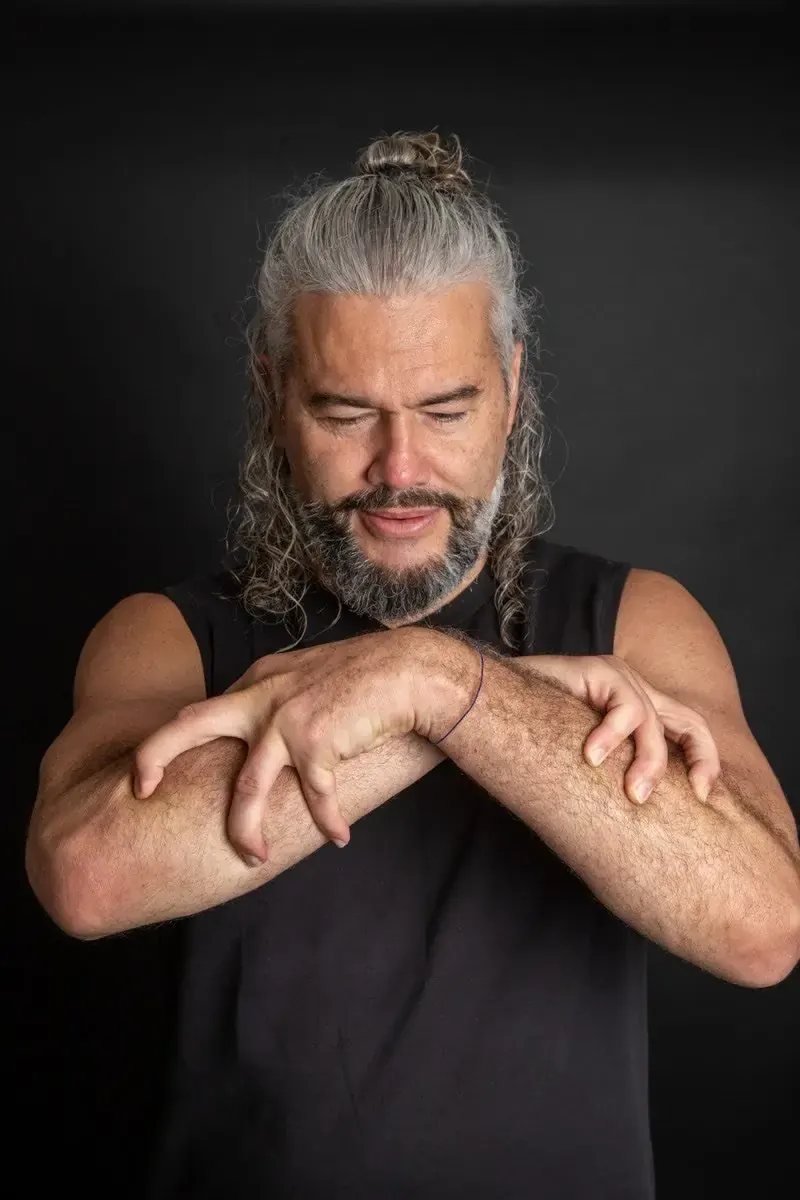
Written by the Body Awakening Journey team. The Body Awakening Method was developed by Mario Zinou over 20+ years of research and practice and more than 15,000 client sessions. This article is educational and isn’t medical advice.
 The complete e-book
Body Awakening
Essentials